If you are sourcing gelatin for gummies, capsules, marshmallows, dairy products, meat products, or other food applications, one of the first questions is usually:
How much does gelatin cost?
The answer is not a single fixed number. Gelatin price depends on raw material, gelatin type, Bloom strength, viscosity, particle size, quality requirements, certification, order volume, and delivery terms.
For buyers sourcing from China, understanding these factors is essential for evaluating supplier quotations and securing a competitive long-term supply.
What Is the Current Gelatin Price?
Gelatin prices vary significantly by market, grade, origin, and specification.
Market data for Q4 2026 indicated an average China gelatin price will continue to go up, compared with approximately Q1, Q2, Q3 2026. However, this should be treated as a market reference rather than a universal transaction price.
Actual supplier quotations can be significantly different depending on the specification and commercial terms.
For example, the price of:
- Bovine hide/bone gelatin
- Fish gelatin
- Pharmaceutical gelatin
- Softgel gelatin
- High-Bloom gelatin
- Halal gelatin
may differ substantially.
How Much Does Gelatin Cost per Kg?
A buyer asking for “gelatin price per kg” should provide the exact product specification before comparing quotations.
The most important parameters include:
- Gelatin source
- Bloom strength
- Viscosity
- Mesh size
- Transparency
- Microbiological requirements
- Halal/Kosher requirements
- Food or pharmaceutical grade
- Packaging
- Order quantity
- Destination
- FOB, CIF or CFR terms
For this reason, a manufacturer should normally quote gelatin based on a complete specification rather than only a price per kilogram.
What Is Gelatin Price per Ton?
For bulk buyers, gelatin is usually quoted by metric ton.
The final price per ton depends on both product specification and purchasing volume.
A 1 MT trial order, a 20 MT container order and an annual contract of several hundred tons may have different pricing.
Long-term contracts may also allow manufacturers to provide more competitive pricing because production and raw-material planning can be optimized.
Why Does Gelatin Price Change?
Several factors influence gelatin prices.
1. Raw Material Costs
Bovine hide and bovine bone are major raw materials for bovine gelatin.
Changes in cattle supply, hide prices, slaughter volumes, transportation costs and raw-material availability can affect gelatin production costs.
2. Gelatin Type
Bovine hide gelatin and bovine bone gelatin can have different cost structures.
Pharmaceutical and specialized capsule grades may also have additional processing and quality-control requirements.
3. Bloom Strength
Gelatin with different Bloom strengths is used for different applications.
Common commercial specifications include approximately:
- 160 Bloom
- 180 Bloom
- 200 Bloom
- 220 Bloom
- 240 Bloom
- 250 Bloom
Higher Bloom does not automatically mean “better.” The correct Bloom depends on the final application.
4. Viscosity
Viscosity is another important parameter, especially for capsule and certain food applications.
Two gelatins with the same Bloom value may still have different processing characteristics because of differences in viscosity and other functional properties.
5. Certification Requirements
Certification can affect the final price.
For example:
- Halal
- Kosher
- FSSC 22000
- ISO 22000
- GMP
- Pharmaceutical standards
- Specific market registration requirements
Buyers should compare suppliers based on the complete specification rather than comparing price alone.
Is Chinese Gelatin Cheaper?
China is an important gelatin production base and can offer competitive pricing for international buyers.
However, the lowest price is not necessarily the lowest total cost.
A buyer should also evaluate:
- Production capacity
- Raw-material traceability
- Quality control
- Export experience
- Certification
- Lead time
- Technical support
- After-sales service
A supplier offering a slightly higher unit price may provide lower overall procurement risk.
How Can Buyers Get a Better Gelatin Price?
For large-volume buyers, the following strategies can help:
Buy Directly from the Manufacturer
Purchasing directly from a factory can reduce unnecessary trading layers.
Provide a Complete Specification
Instead of asking:
“Please quote gelatin.”
Provide:
Bovine hide gelatin, 220 Bloom, viscosity 3.5–4.0 mPa·s, food grade, Halal, 8–20 mesh, 25 kg bags.
This allows manufacturers to provide a more accurate quotation.
Compare Like-for-Like Products
Do not compare a 180 Bloom gelatin with a 250 Bloom gelatin simply based on price per kilogram.
The functional performance may be different.
Discuss Annual Volume
If your company purchases 100 MT, 500 MT or more per year, discuss annual volume with the manufacturer.
A long-term supply agreement may provide better pricing and supply stability.

Gelatin Price from Foodmate
Foodmate is a China-based gelatin manufacturer providing food-grade and application-specific gelatin solutions.
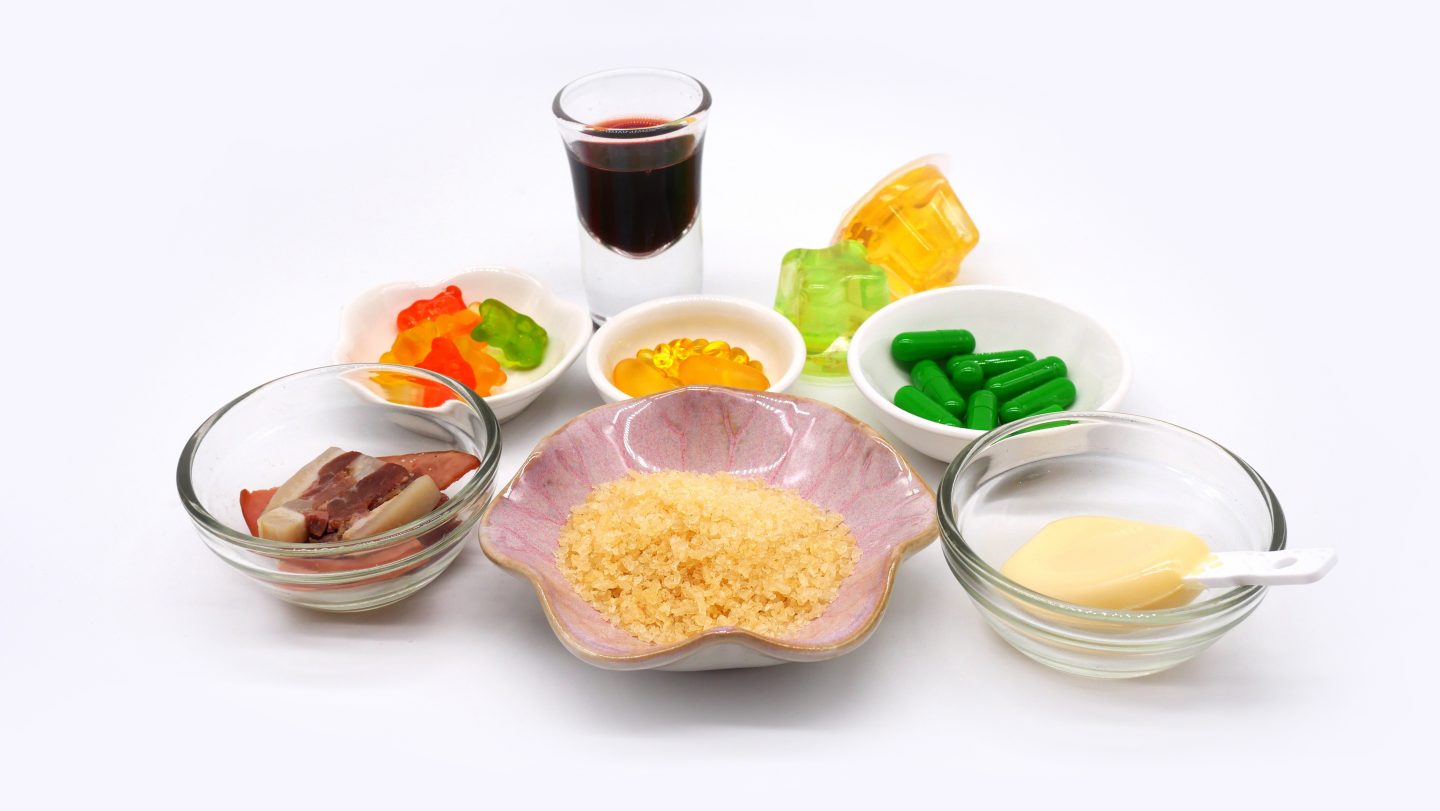
Foodmate’s FoodGel™ range includes bovine hide, bovine bone and fish gelatin, with different Bloom strengths and specifications for applications including gummies, marshmallows, dairy products, jelly and other food products.
For international customers, Foodmate provides customized quotations based on:
- Gelatin source
- Bloom
- Viscosity
- Mesh
- Application
- Order volume
- Destination
- Incoterms
- Certification requirements
Instead of publishing one fixed gelatin price, Foodmate recommends requesting a quotation based on the exact specification.
Request the Latest Gelatin Price
If you are looking for a current gelatin price from China, send Foodmate the following information:
Product: Bovine / Fish Gelatin
Grade: Food / Pharmaceutical
Bloom:
Viscosity:
Quantity:
Destination:
Packaging:
Required certification:
Foodmate can then recommend the appropriate gelatin grade and provide a quotation based on your requirements.
Foodmate currently has more than 200 series of products that can be used in soft capsules, meat products, gummies, marshmallows, jellies, dairy products and other fields, and these products have been exported to more than 100 countries and regions.
Our factory covers about 96,000 m², with an annual gelatin production capacity of 20,000 tons. It features ISO Class 100,000 cleanrooms and has earned multiple authoritative international certifications, including ISO9001, FSSC22000, HALAL, HACCP, FDA, GMP, SEDEX, ECOVADIS, etc. And all factory personnel undergo regular training in food safety and quality control.
Contact Foodmate now to get a sample or a quotation.
-1440x719.jpg)
-scaled.jpg)
压缩后.jpg)